
Key takeaways:
The text describes a set of practices and tools that improve the predictability, quality, and timely delivery of projects. It emphasizes the importance of clear objectives, prioritization, cost control, accountability, and effective escalation of risks and issues.
- Effective project management combines processes, methodologies, and skills to achieve objectives despite unique challenges.
- Planning as the foundation: defining objectives, resources, and the schedule using the SMART method
- Role of the project manager: coordinating the team, monitoring progress, solving problems, and managing stakeholders
- The Eisenhower Matrix organizes priorities by urgency and importance, supports time and resource allocation, and reduces stress.
- Timeliness and delivery control: schedule monitoring (e.g. Gantt, critical path), FUKO, and issue escalation
Introduction to Effective Project Management
Project management is a discipline that brings together processes, methodologies, and skills to achieve defined objectives. Every project presents its own unique challenges, which require the right strategies and tools. Effective project management requires not only knowledge of tools and techniques, but also best practices in project management that make delivery more efficient and predictable. With the right practices in place, many issues that could affect deadlines and quality can be prevented. It is important to understand that project success depends not only on technology and resources, but above all on management capability.
Project Planning: Best Practices and SMART
Planning is the foundation of every successful project. Strong planning makes it possible to identify objectives, define resources, and establish a schedule. The SMART method (Specific, Measurable, Achievable, Relevant, Time-bound) is one of the core best practices in project management. Using SMART, a project manager can set clear, realistic goals that are measurable and achievable within a defined timeframe. Goals should be specific, meaning clearly defined; measurable, so progress can be tracked; achievable within the available resources; relevant to the overall project objective; and time-bound, so it is clear when they must be achieved. This approach also helps set priorities and ensures that every team member understands what needs to be delivered. A well-planned project increases the likelihood of success by reducing the risk of unforeseen problems.
The Role of the Project Manager in Project Management
The project manager plays a key role in project management. Their responsibilities include coordinating the team, monitoring progress, and resolving problems, while ensuring that the project is delivered according to plan. A project manager must have a broad skill set, ranging from technical expertise to soft skills such as communication and conflict management. A strong project manager not only supervises the work but also motivates the team to achieve its goals by applying proven practices. They must be flexible and able to adapt to changing conditions while maintaining a clear vision and objective for the project. The project manager is also responsible for managing resources, the budget, and stakeholder relationships, which requires negotiation skills and strategic thinking.
The Eisenhower Matrix: A Key to Effective Time Management
The Eisenhower Matrix is a tool that helps manage priorities. It divides tasks into four categories based on urgency and importance: urgent and important, important but not urgent, urgent but not important, and neither urgent nor important. This enables the project manager to focus on what matters most, helping ensure tasks are completed on time and reducing the stress associated with time management. The Eisenhower Matrix also supports more effective allocation of resources and time by eliminating unnecessary tasks that add no value to the project. This tool is especially useful in fast-paced environments where quick decisions and effective time management are essential. In addition, regular reviews of the matrix help adjust priorities as the project progresses, which improves overall efficiency.
Best Practices in Project Management: Timeliness as the Foundation of Project Success
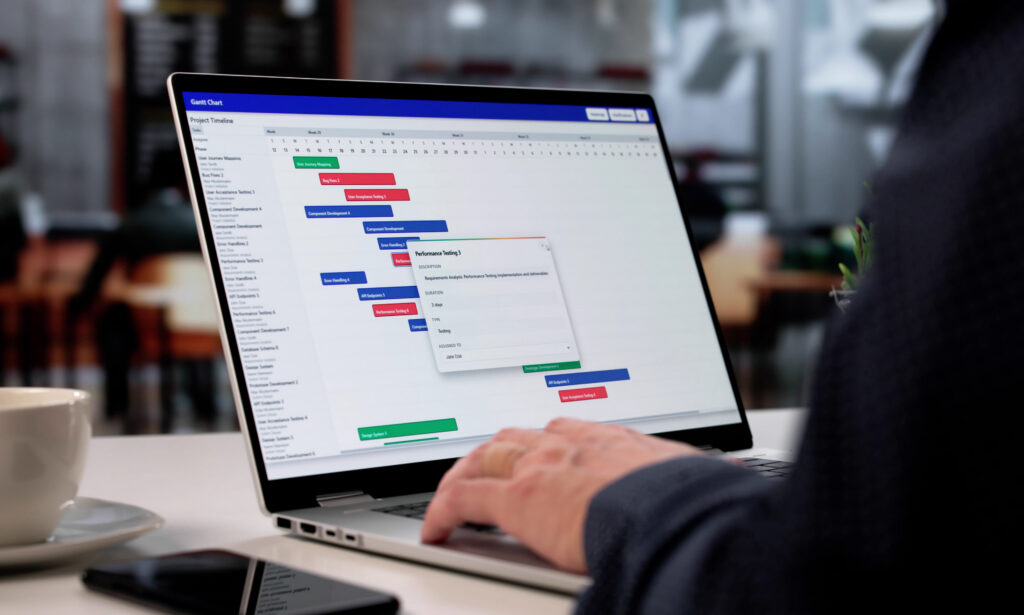
Timeliness is one of the most important aspects of effective project management. Achieving objectives within the specified timeframe is critical to project success. The project manager must monitor the schedule, identify potential delays, and take corrective action to keep the project on track. Timeliness affects customer and stakeholder satisfaction as well as project costs. Missing deadlines can lead to additional costs, loss of trust, and quality issues. Managing schedules effectively requires the use of progress-tracking tools such as Gantt charts and critical path methods. Regular schedule reviews and a rapid response to changes and issues help keep the project within the agreed deadlines.
“Developing a detailed plan is only half the battle. The other half is executing it despite every obstacle.”
Napoleon Bonaparte
Project Execution: Using FUKO in Management
FUKO (Functionality, Usability, Costs, Responsibility) is a methodology that supports project execution management. It focuses on ensuring that a project meets functional requirements and is practical to use, while keeping costs under control and clearly defining responsibilities. Using FUKO, a project manager can effectively oversee progress and respond to changes during the project. Functionality refers to whether the final product meets the defined requirements. Usability assesses whether the product is practical and useful for users. Costs must be controlled so the project stays within budget. Responsibility means that each team member knows their tasks and is accountable for completing them. FUKO supports project monitoring and control, ensuring that all aspects are considered and managed effectively.
Problem Escalation Techniques in Engineering Projects
Problem escalation is a process that enables the fast and effective resolution of issues that may affect project delivery. Escalation techniques include identifying problems, assessing their impact on the project, and communicating with the right people who can help resolve them. This allows the project manager to ensure that issues are addressed quickly and effectively, minimizing their impact on the project. It is important to use escalation in a deliberate and responsible way to avoid unnecessary confusion and stress within the team. Regular status meetings and reports can help detect problems early and trigger corrective action before they become critical. In engineering environments, this is particularly important when projects involve areas such as artificial intelligence in industry or formal conformity assessment modules. Problem escalation is essential for keeping a project on track and preventing delays and budget overruns.
Responsibility in a Project: How to Manage a Team Effectively
Responsibility in a project is a key element of team management. Every team member must know their tasks and be accountable for completing them. The project manager must monitor progress, provide support, and motivate the team to achieve its goals. Clearly defined roles and responsibilities help prevent confusion and conflict within the team. Regular meetings, clear communication, and progress-tracking tools help maintain a high level of accountability. In more complex technical projects, effective coordination may also require structured collaboration between parties, as in collaboration between the integrator, the software house, and the maintenance department within a single project. The project manager should also promote a culture of accountability, where every team member feels committed to delivering the best possible results. A well-managed team with clearly defined responsibilities works more efficiently and is able to achieve better outcomes.
Building Effective Project Teams
An effective project team is one that collaborates, shares knowledge, and supports one another in achieving its goals. The project manager must ensure strong communication, resolve conflicts, and build trust within the team. Good relationships between team members are essential for effective collaboration. Regular meetings, shared goals, and clearly defined tasks help build effective teams. In projects involving machinery, documentation duties such as creating machine operating manuals can also benefit from clear teamwork and role ownership. The project manager should also invest in developing the team’s skills through training and mentoring. An effective project team is motivated, well organized, and able to respond quickly to change and challenges. As a result, the team can work more productively and achieve better outcomes.
Evaluating Project Success: Best Practices and Lessons for the Future
Evaluating project success is a key part of project management. It involves analyzing the results achieved, comparing them with the original objectives, and drawing lessons for the future. This process makes it possible to identify the project’s strengths as well as the areas that need improvement. Regular evaluation of project success supports continuous improvement in the project management process. The project manager should use a range of assessment tools and methods, such as SWOT analysis, cause-and-effect diagrams, and project retrospectives. This helps identify what worked well and what needs improvement, supporting continuous improvement in project management. In projects tied to market launch or compliance, the evaluation stage may also involve checking whether deliverables related to CE marking, the role of a CE Notified Body, the authorized representative of the manufacturer, or the role of machinery importers were completed correctly. The findings from the project success evaluation should be documented and used in future projects to avoid repeating the same mistakes and to build on best practices in project management.
table {
width: 100%;
border-collapse: collapse;
}
th, td {
border: 1px solid #ddd;
padding: 8px;
}
th {
background-color: #f2f2f2;
}
Summary of the Most Interesting Topics in Project Management
| Topic | Description |
|---|---|
| SMART | A goal-setting method: Specific, Measurable, Achievable, Relevant, and Time-bound. |
| Role of the Project Manager | Coordinating the team, monitoring progress, solving problems, and managing resources and the budget. |
| Eisenhower Matrix | A prioritization tool that divides tasks into urgent and important, important but not urgent, urgent but not important, and neither urgent nor important. |
| Timeliness | Achieving project goals within the specified timeframe, which affects customer satisfaction and cost control. |
| FUKO | A project management methodology: Functionality, Usability, Costs, Responsibility. |
| Issue Escalation | The process of resolving problems quickly and effectively when they affect project delivery. |
| Responsibility | Clearly defining roles and tasks for team members, monitoring progress, and motivating the team. |
| Team Building | Effective collaboration, knowledge sharing, strong communication, conflict resolution, and building trust. |
| Project Success Evaluation | Analyzing results, comparing them with the original objectives, drawing conclusions, and improving processes in future projects. |
Effective project management: Best practices and proven methods
It is a combination of processes, methodologies, and skills that helps achieve project objectives. Effectiveness depends not only on technology and resources, but above all on the quality of management.
SMART helps define goals as specific, measurable, achievable, relevant, and time-bound. It makes it easier to set priorities and ensures the team clearly understands what is to be achieved.
The project manager coordinates the team, monitors progress, resolves problems, and ensures delivery in line with the plan. They also manage resources, the budget, and stakeholder relationships, using both technical and interpersonal skills.
It helps manage priorities by dividing tasks into four categories based on urgency and importance. This makes it easier to focus on key activities, allocate time more effectively, and reduce stress.
FUKO (Functionality, Usability, Costs, Responsibility) supports implementation oversight by ensuring requirements are met, practicality is maintained, the budget remains under control, and responsibilities are clearly assigned. It facilitates progress monitoring and response to project changes.