
Key takeaways:
The article describes Poka-Yoke as an approach to eliminating errors in machine and process design through design, control, and organizational measures.
- Poka-Yoke (“error-proofing”) is a method developed by Shigeo Shingo at Toyota in the 1960s.
- Three principles: error prevention, rapid detection, and minimizing the impact on the process and the product
- Design based on risk analysis of errors, including FMEA, and on design solutions that prevent incorrect assembly
- It uses sensors, automatic control, interlocks, and SOPs; it can also improve machine safety (e.g. guard interlocks)
- Tools: check sheets, Andon, go/no-go gauges, color coding; integration with PLC and SCADA supports response to deviations
In today’s manufacturing industry, eliminating errors is essential for maintaining competitiveness and ensuring the highest product quality. One of the most effective tools for this purpose is the Poka-Yoke method. This Japanese technique, whose name means “mistake-proofing,” was developed by Shigeo Shingo and is widely used in machine design and production processes.
History and Philosophy of Poka-Yoke
Poka-Yoke was developed at Toyota in the 1960s. Shigeo Shingo, one of Toyota’s leading engineers, observed that many production errors stem from human fallibility. His goal was to create a system that prevents errors before they occur. The philosophy of Poka-Yoke is based on three core principles:
- Error prevention: Creating conditions in which making a mistake is impossible.
- Rapid error detection: Detecting errors immediately after they occur, before they pass to the next stages of production.
- Minimizing the effects of errors: Reducing the impact of errors on the production process and the final product.
Poka-Yoke is also often referred to as:
- Error Proofing: This term highlights the primary purpose of Poka-Yoke, namely protecting production processes against errors.
- Mistake Proofing: Another common synonym, emphasizing the elimination of opportunities for operators to make mistakes.
- Fail-Safe Work Methods: This term refers to designing processes and tools in a way that prevents errors or minimizes their effects.
- Zero Quality Control (ZQC): This method is part of a broader quality assurance approach aimed at achieving zero defects.
- Defect Prevention: This term emphasizes defect prevention, which is a central element of Poka-Yoke.
Poka-Yoke is a Japanese method for preventing errors in production processes that improves product quality and minimizes operating costs.
Principles of Designing Poka-Yoke Systems
- Potential Error Analysis (FMEA): The first step in designing Poka-Yoke systems is to conduct a thorough analysis of potential errors. Tools such as FMEA (Failure Mode and Effects Analysis) help identify all possible sources of errors at different stages of the production process.
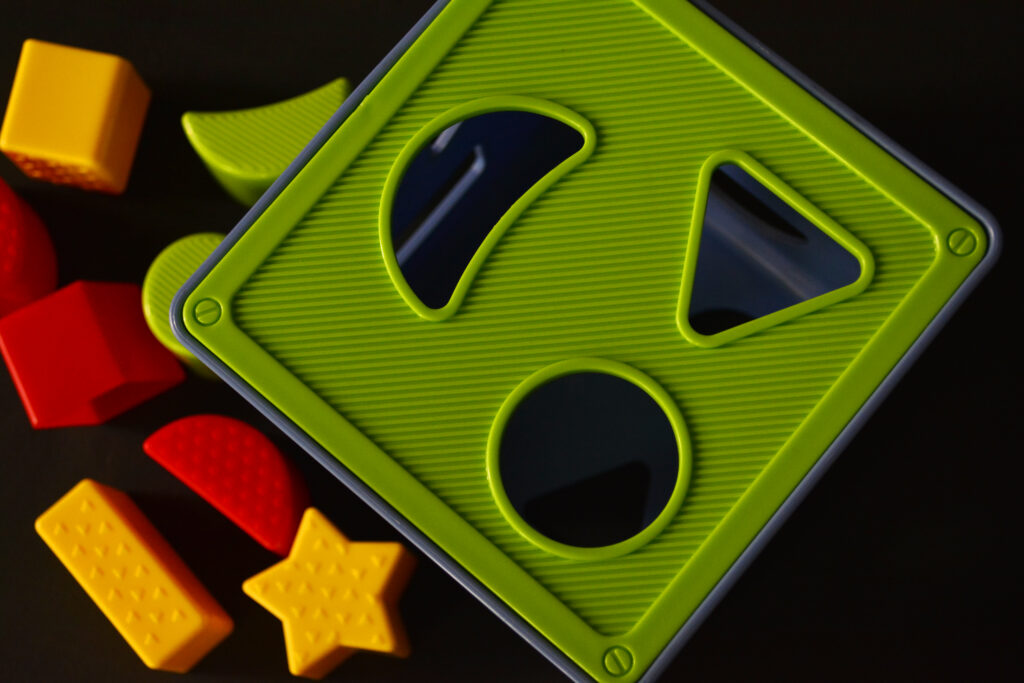
- Design Solutions: Designing machines, their components, and equipment so they cannot be assembled incorrectly. For example, components can be designed to fit in only one configuration, eliminating the risk of incorrect assembly. This approach also helps avoid the most common mistakes in machine construction and design.
- Automatic Inspection Systems: Implementing sensors and monitoring systems that automatically detect and respond to errors. Sensors can monitor critical process parameters and trigger alarms or automatically stop the process if a deviation from the standard is detected.
- Process Standardization: Establishing standard operating procedures (SOPs) that clearly define each step of the production process, thereby minimizing the possibility of operator error. This can be reinforced by good practices for machine documentation and operating instructions.
- Safety Systems (Interlocks): Using mechanical or electronic safeguards that prevent the process from continuing when an error is detected. For example, a machine can be designed so that it will not start unless all safety guards are properly closed. Poka-Yoke therefore also affects overall machine safety and supports machine conformity assessment and the choice of certification path.
- Color Codes and Labels: Using color coding and labels to help operators quickly identify components and tools, reducing the risk of errors during assembly or maintenance.
- Testing and Validation: Regular testing of Poka-Yoke systems to ensure they operate as intended. Testing should include simulations of different error scenarios to assess the effectiveness of the solutions used.
Implementing Poka-Yoke in Practice
- Design Phase:
- Identifying Potential Errors: Conducting an FMEA analysis to identify potential sources of errors.
- Designing Safeguards: Designing mechanisms that physically prevent errors from being made (e.g. parts that can be installed in only one way).
- Production Phase:
- Process Monitoring: Implementing sensors and monitoring systems that immediately detect deviations from the standard.
- Automatic Intervention: Systems that automatically stop production when an error is detected.
- Quality Control Phase:
- Testing and Validation: Regular testing of Poka-Yoke systems to ensure they are effective.
- Reporting and Analysis: Monitoring and analyzing error data to support continuous process improvement, often as part of effective project management practices.
Poka-Yoke Tools and Techniques
- Check Sheets: Simple tools for recording and monitoring data that help operators identify and log errors.
- Mistake-Proofing Devices: Dedicated tools and devices designed to automatically detect and eliminate errors. Examples include vision sensors that verify correct assembly and mechanical stops that prevent incorrect component placement.
- Color-Coding Systems: The use of colors to mark different parts and tools, helping operators identify items quickly and accurately.
- Andon Systems: Visual signaling systems that alert operators and managers to problems in real time, enabling rapid corrective action.
- Go/No-Go Gauges: Simple measuring tools that allow a quick check of whether a component meets specified tolerance requirements.
Integrating Poka-Yoke with Automation Systems
Integrating Poka-Yoke methods with modern industrial automation systems such as PLCs (Programmable Logic Controllers) and SCADA (Supervisory Control and Data Acquisition) can significantly increase the effectiveness of these solutions.
- PLC Programming: Developing control programs that automatically detect and respond to errors by stopping the production process and notifying operators of the issue.
- SCADA Systems: Real-time process monitoring and full data visualization, enabling rapid problem identification and resolution.
- Sensor Integration: Using sensors to monitor critical process parameters such as temperature, pressure, level, and weight to ensure compliance with quality requirements.
- IoT and Industry 4.0: Using the Internet of Things (IoT) and Industry 4.0 technologies for remote monitoring and management of Poka-Yoke systems, allowing the condition of machines and production processes to be tracked on an ongoing basis. In more advanced environments, these solutions may also be complemented by artificial intelligence in industry.
Implementation Examples
Automation and Control
In companies using advanced automation systems, Poka-Yoke can be integrated with control systems to ensure machines operate correctly and without errors. For example, in automotive plants, sensors can monitor component assembly to verify that each part is installed correctly before the vehicle moves to the next production stage.
Assembly Lines
On production assembly lines, Poka-Yoke can include systems that automatically detect whether all bolts have been tightened correctly. If any bolt is left loose, the system stops the production process and alerts the operator that a correction is required. This approach not only minimizes the risk of assembly errors, but also improves the efficiency and quality of the final product.
Ergonomic Design
Taking ergonomics into account when designing workstations is essential to minimizing worker fatigue, which directly reduces errors. Ergonomic workstations may include adjustable working heights, appropriate lighting, and tools designed to reduce the physical strain on operators.
Intuitive Tools and Devices
Designing tools and devices so that the correct method of use is intuitive is another key element of Poka-Yoke. For example, tools can be designed with handles that fit only one way, eliminating the possibility of incorrect use. In the case of complex machines, touchscreens with interactive instructions can guide operators through processes, reducing the risk of errors.
Process Standardization
Standard operating procedures (SOPs) are essential to ensure that every step of the production process is clearly defined and followed. Process standardization helps minimize errors resulting from differences in how individual operators perform their work. SOPs should be updated regularly, and employees should receive refresher training to ensure the procedures remain current and effective.
Testing and Validation
Regular testing of Poka-Yoke systems is essential to ensure they perform as intended. Testing should include simulations of different error scenarios to assess the effectiveness of the solutions used. In addition, analysis of data from Poka-Yoke systems can help identify trends and areas requiring further improvement.
Use of AR/VR Technology
Augmented reality (AR) and virtual reality (VR) technologies can be used in training and production processes to visually guide operators through each step of the job. For example, with AR, operators can see in real time how individual components should be assembled, significantly reducing the risk of errors.
Adapting Poka-Yoke Systems to Specific Industries
Each industry has its own production-specific requirements and challenges. That is why Poka-Yoke systems must be tailored to the unique needs of each company. At Engineering Shield, we provide services adapted to our clients’ specific requirements to ensure maximum efficiency and safety in their operations. Whether you operate in the automotive, electronics, food, or pharmaceutical industry, our Poka-Yoke solutions can help eliminate errors and improve production quality.
Benefits of Implementing Poka-Yoke
- Improved Quality: Eliminating errors at the design and production stages leads to a significant increase in the quality of finished products.
- Cost Reduction: Fewer errors mean lower costs related to repairs, rework, and material losses. This also supports better budget planning for certification-related activities.
- Improved Safety: Preventing errors increases worker safety and reduces the risk of workplace accidents.
- Greater Efficiency: Production processes become smoother and more efficient, leading to higher productivity.
The Role of the Engineering Office in Implementing Poka-Yoke Solutions
The engineering office plays a key role in implementing Poka-Yoke solutions in production processes. First, design engineers carry out a detailed risk analysis, identifying potential sources of error at every stage of production. They use tools such as FMEA (Failure Mode and Effects Analysis) to systematically review and assess possible errors and their consequences.
Next, the engineering office develops designs that physically prevent errors from being made. This may include designing components so they can be installed in only one way, eliminating the risk of incorrect placement. They also implement advanced automatic inspection systems that immediately detect and respond to errors. Sensors and other monitoring devices are integrated with control systems such as PLCs (Programmable Logic Controllers) to ensure continuous monitoring of critical process parameters.
Poka-Yoke is not only a tool for eliminating errors in production processes, but also an integral part of broader management strategies such as SMED (Single-Minute Exchange of Dies) and TPM (Total Productive Maintenance). Implementing Poka-Yoke within these methodologies can significantly increase operational efficiency and production quality.
Poka-Yoke and SMED
SMED, or the quick changeover method, is intended to reduce the time needed to change tools and prepare machines for a new production process. In the context of SMED, Poka-Yoke involves designing changeover processes so they are error-proof. For example, tools and parts can be color-coded or given unique shapes that prevent incorrect installation. Automatic verification systems can immediately alert operators to errors, reducing the time needed to correct them. This closely aligns with designing machines for high efficiency and SMED.
Integrating Poka-Yoke with SMED makes it possible to:
- Reduce downtime: Eliminating errors in the changeover process minimizes the need for additional corrections and testing.
- Increase productivity: Faster and more reliable changeovers lead to higher production efficiency.
- Improve quality: Avoiding errors during changeover ensures that production processes start without issues, which affects the quality of the final products.
Poka-Yoke and TPM
Total Productive Maintenance (TPM) is a holistic approach to maintenance that engages all employees in activities aimed at maximizing machine performance and minimizing downtime. Within TPM, Poka-Yoke is used to prevent errors and failures by implementing safeguards and monitoring systems.
In the context of TPM, Poka-Yoke:
- Prevents failures: Through the use of sensors and monitoring systems, Poka-Yoke enables early problem detection and helps prevent machine failures.
- Supports preventive maintenance: Automatic reminder systems for maintenance and inspections minimize the risk of human error.
- Engages employees: Training and awareness related to Poka-Yoke systems increase employee involvement in maintenance and machine care.
As part of TPM, Poka-Yoke makes it possible to:
- Increased machine availability: By reducing failures and downtime, machines remain available for production for a greater share of the time.
- Improved safety: Eliminating errors and failures reduces the risk of accidents, which is essential for maintaining a safe working environment.
- Cost optimization: Lower repair and downtime costs lead to overall optimization of operating costs. In practice, this may also support compliance with minimum occupational health and safety requirements for machines.
In summary, integrating Poka-Yoke with SMED and TPM methodologies not only improves the quality and efficiency of production processes, but also enhances safety and employee engagement. As a result, companies can achieve a higher level of operational performance while minimizing the risk of errors and failures, which translates into better financial results and higher customer satisfaction.
| Poka-Yoke Principle | Description | Impact on SMED |
|---|---|---|
| Error analysis (FMEA) | Identification of potential sources of errors | Minimizing risk during changeover |
| Design solutions | Preventing incorrect assembly | Faster, error-free changeover |
| Automatic systems | Sensors and automatic stops | Reduced downtime and immediate corrections |
| Color coding | Use of colors to identify parts and tools | Quick identification and elimination of errors |
| Labels and markings | Clear and legible labels and markings | Reduced risk of mistakes when identifying components |
| Tool standardization | Use of standardized tools and equipment | Reduced time needed to find the right tools |
| Ergonomic tools | Tools designed to minimize errors | Reduced operator fatigue, lowering the risk of errors |
| Visual instructions | Graphical presentation of process steps | Better understanding and more accurate task execution |
| Andon systems | Visual systems for signaling problems | Quick identification and resolution of process issues |
Integrating Poka-Yoke with SMED and TPM methodologies significantly increases operational efficiency and workplace safety.
Implementing Poka-Yoke in machine design and production automation is not only key to improving quality and efficiency, but also to increasing workplace safety. Integrating this method with advanced industrial automation solutions offered by Engineering Shield enables companies to achieve new standards in production and operational management. If you would like to learn more about how we can help implement Poka-Yoke in your company, please contact our team of experts. We offer a wide range of services tailored to the individual needs of our clients to ensure the highest quality and operational safety. Depending on the project scope, this may also involve areas such as CE marking or new requirements for machine manufacturers.
Poka-Yoke in Machine Design: How to Avoid Errors
Poka-Yoke is a Japanese “mistake-proofing” method developed by Shigeo Shingo. Its purpose is to prevent errors in production processes and to detect them quickly and limit their effects.
The method is based on three principles: error prevention, rapid error detection, and minimizing the effects of errors. As a result, defects do not pass on to subsequent stages of the process.
In design, FMEA is often used to identify potential sources of error. Design solutions, sensors and monitoring systems, SOPs, and interlock safeguards are then selected.
Interlock safety systems can prevent a process from starting or continuing when a fault is detected, for example when safety guards are not properly closed. This reduces the risk of improper operation and hazardous events.
Poka-Yoke methods can be integrated with PLC and SCADA systems to automatically detect deviations, stop the process, and alert operators. Effectiveness is also improved by integrating sensors that monitor critical parameters such as temperature, pressure, level, and weight.